
Your product is good. Does it look that way?
Why does a working product that has had real effort put into it fail to make the expected impression in a demo? Here we explain how the interface gets involved in sales and where to look before going to market.
- AREA
- Product and experience
- WHO IT IS FOR
- Companies that sell a software product
- NEXT STEP
- Focus audit
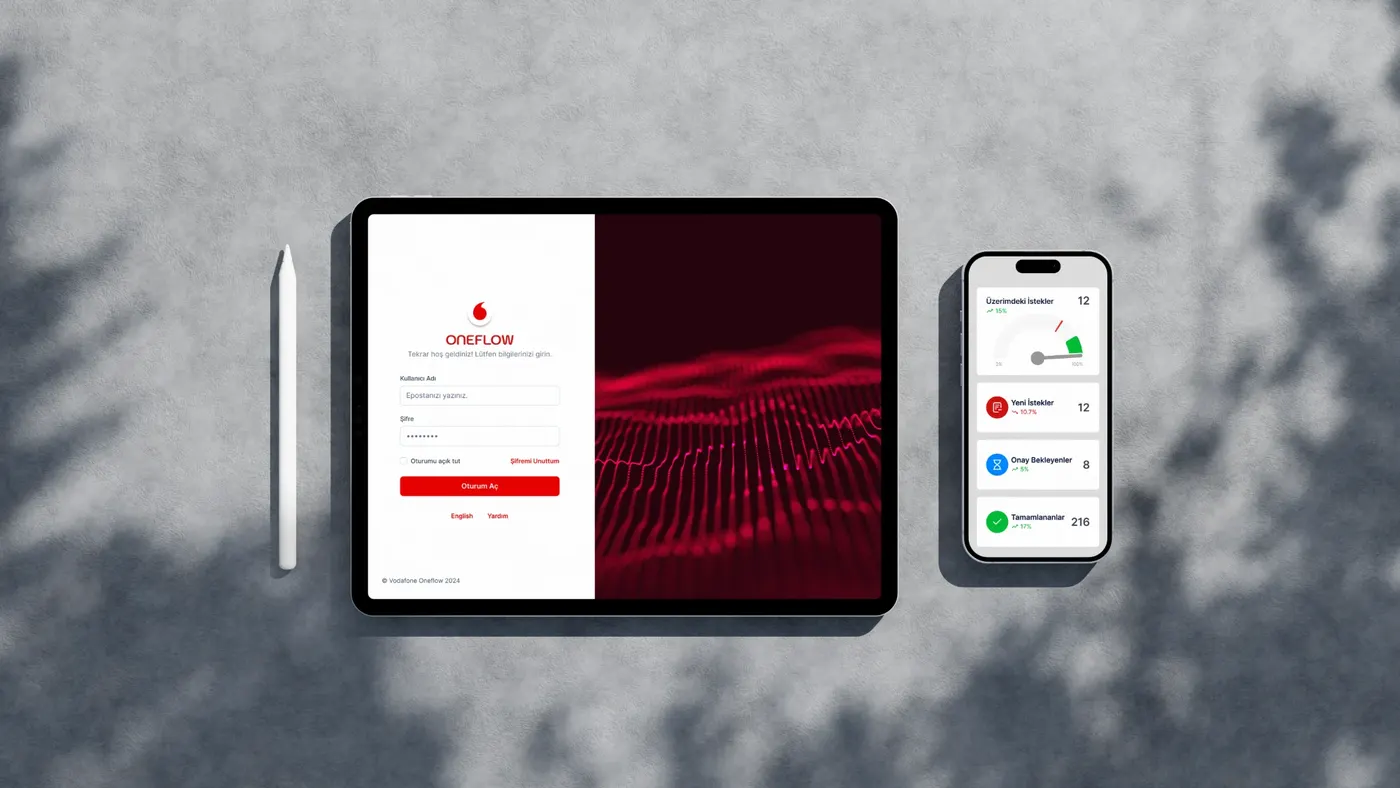
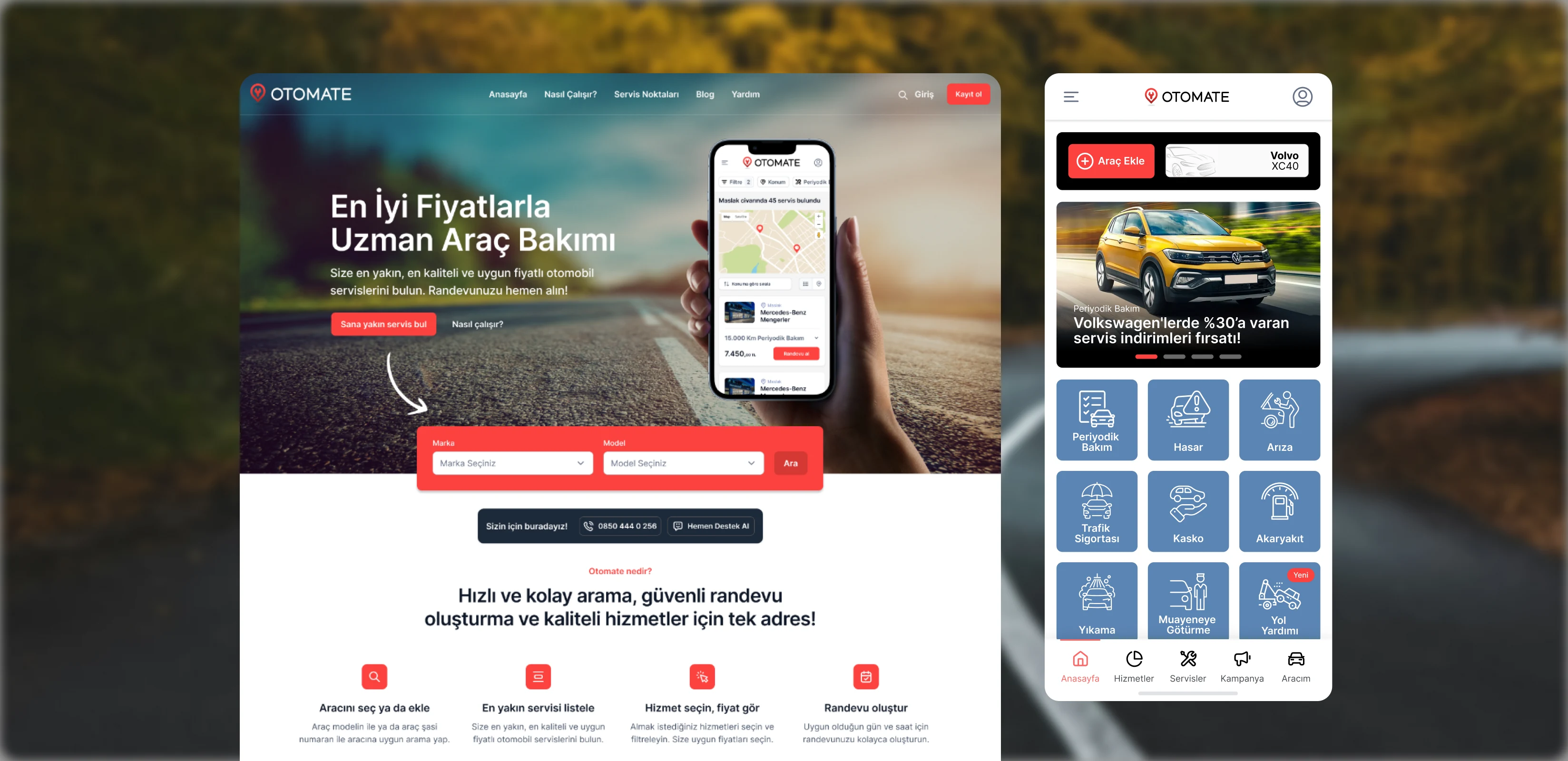
The software behind the two screens may be the same. The buyer cannot see the code, only the screen, and decides by looking at it.
The product that does not sell at the price it deserves.
Your software works, does its job properly and has years of effort behind it. Even so, during the demo you do not see the expression you expected on the other side's face, and when you name the price the bargaining begins. People who come to us in this situation usually say: "With this interface we cannot sell our product at the price it deserves."
There is also a more urgent version: "We are about to go to market, but we cannot go like this."
Why does the interface affect sales?
The buyer cannot see inside your product. In a first meeting there is no way to measure the quality of the code, the strength of the infrastructure or the accuracy of the data. All they have are the screens they see, and they judge everything they cannot see by those screens. If the screen is untidy, they assume the work behind it is untidy too. This holds even when it is not true.
The problem is usually not beauty.
At this point the first idea is to make the product more stylish. Yet what most products that do not look professional lack is not style; it is order, consistency and priority. It is unclear which information matters, the same task is done differently on different screens, and the first screen does not explain what the product is for. A visual refresh done before these are fixed remains make-up.
- PRIORITY
It is unclear which information matters
- CONSISTENCY
The same task is done differently on every screen
- FIRST SCREEN
It does not explain what the product is for
A visual refresh done before these three are fixed remains make-up.
What does it cost you?
You close sales by discounting, and decisions take longer. You also lose some deals to a competitor that is technically weaker than you but looks more put together.
You do not have to redo everything.
In a product with a fixed launch date, redesigning the whole interface is usually not possible, and not necessary either. The screens a buyer sees in the first ten minutes are known, and that is where the work starts.
Where do you lose the most?
In a focus audit we review a single critical flow of your product and give you the problems that affect sales most, in order of priority.
From our work.
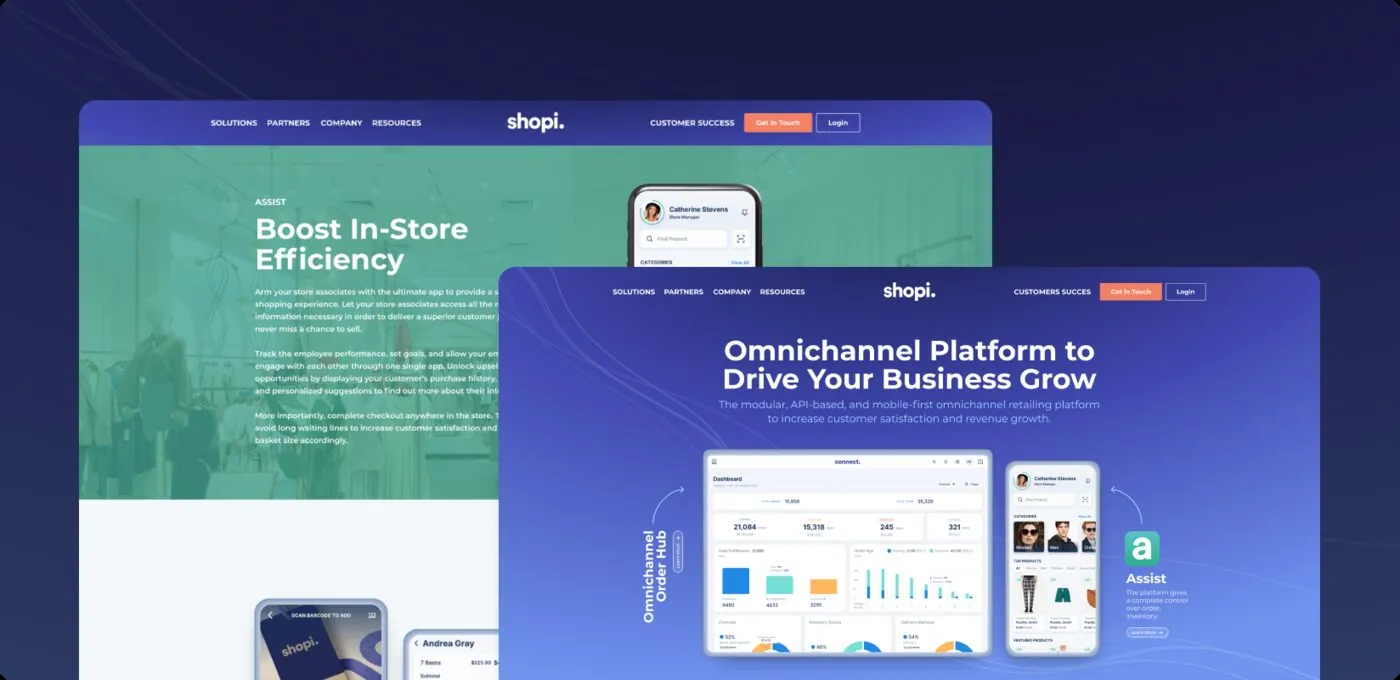
Shopi
A product with broad capabilities that is hard to grasp at first glance
Shopi was a retail platform that brought order, stock, customer and store operations together in a single structure. We combined the different needs of the head office team and the store employee in one consistent interface system, and ordered tasks, data and actions by priority. We carried the same language over to the product's marketing website, so a visitor can see what the platform is for without going into technical detail.
View project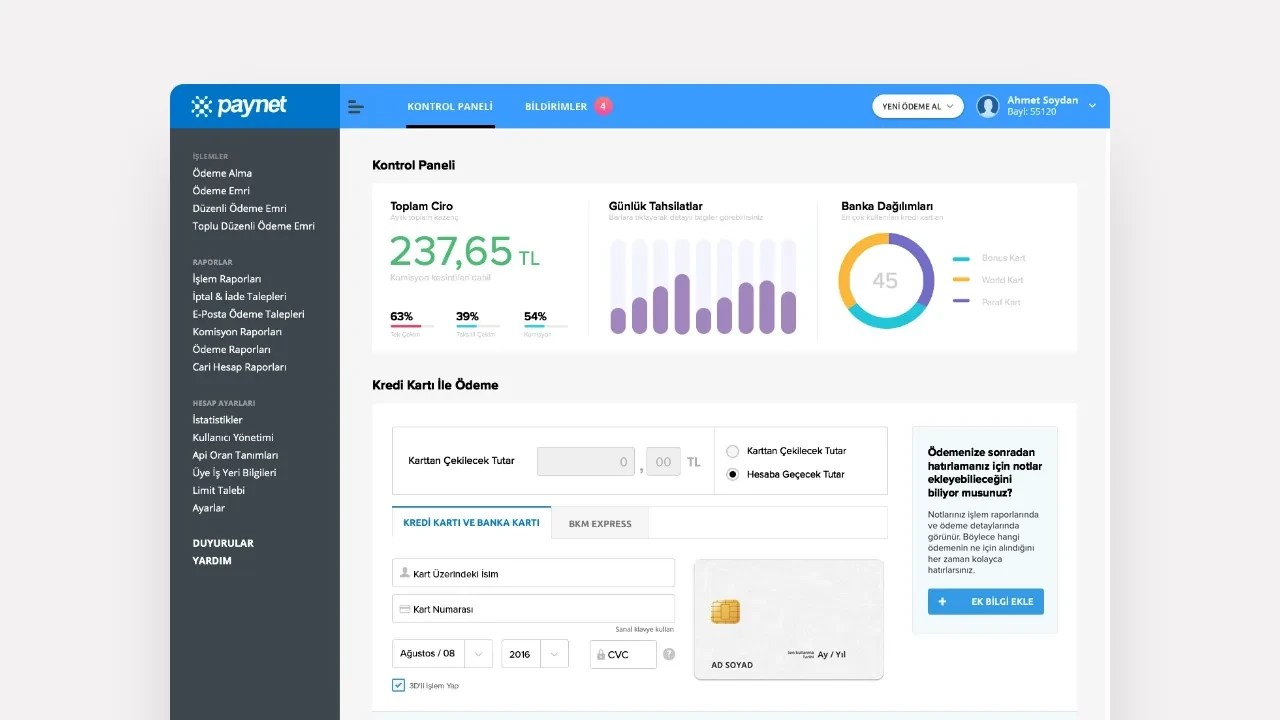
Related topics.
- You build the software. Let's think through the interface together.How we handle design in software companies' client projects.
- It does everything. Nobody can find it.How to build a good dashboard and management panel.
- Your product is strong. Can your website explain it?Your product is strong, but your website cannot explain it. What a corporate and B2B website should be and what it should say first.
- Which parts of your product need to be ready before an investor meeting?
Your product is good. Does it look that way?
See the focus audit