
SaaS and
Business software.
We design and develop portals, SaaS and internal business software, bringing user experience, technical architecture and development together. Where useful, we integrate AI to solve a real product problem.
You own the source code and infrastructure accounts.
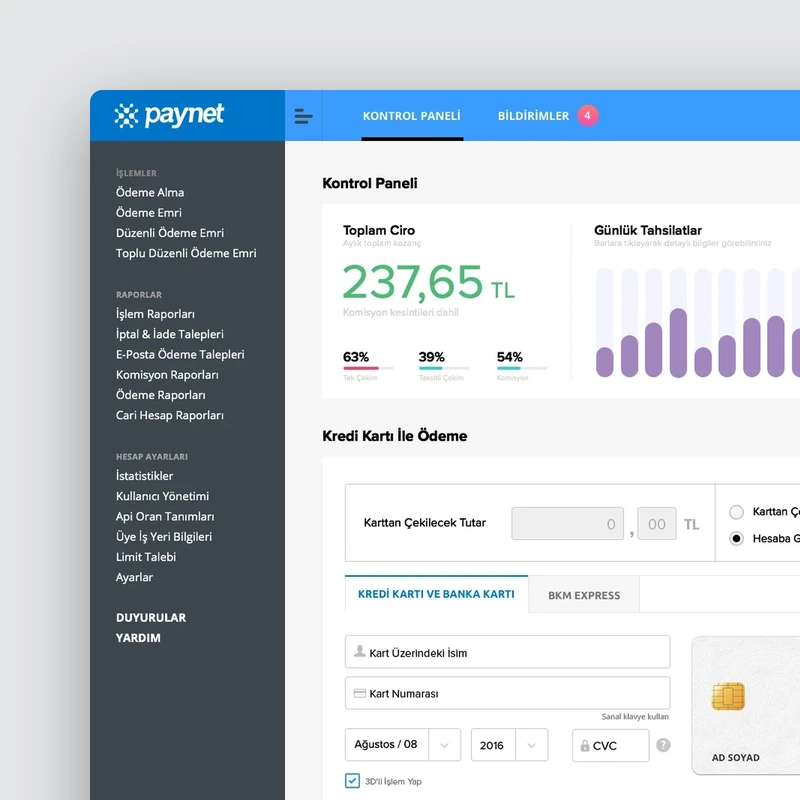
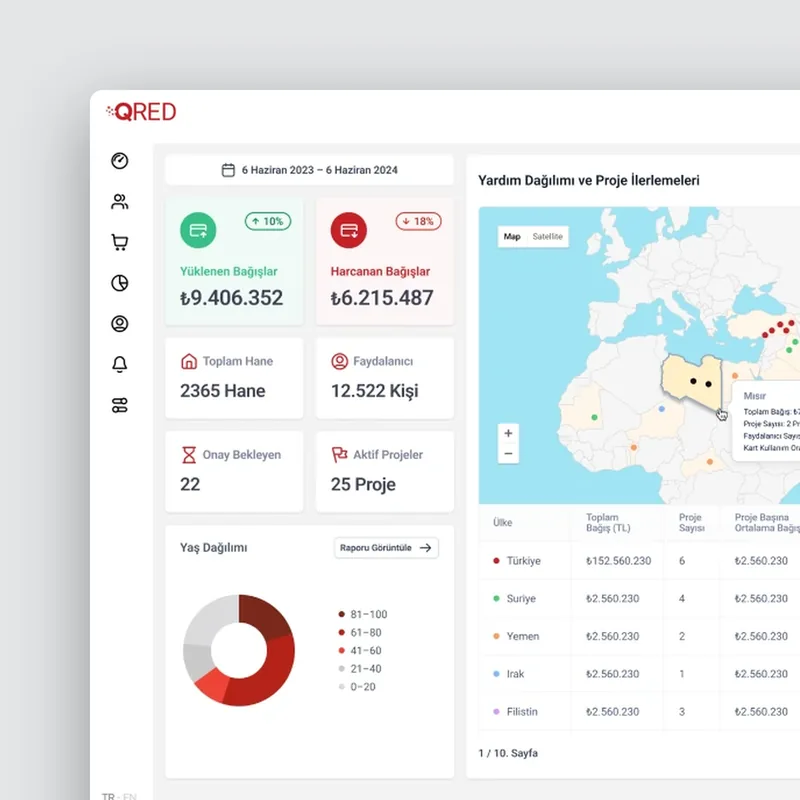
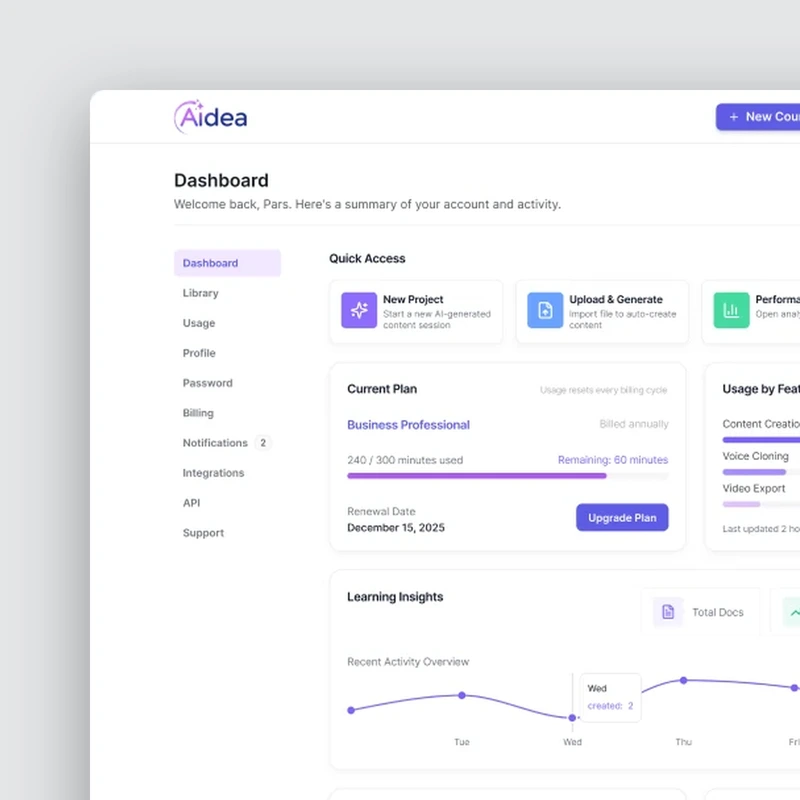
What this service addresses.
Business software becomes complex when roles, permissions, data and exceptions meet in one system. Good product design turns that complexity into clear decisions for the user.
Product scope, user flows, the interface system and technical architecture share one roadmap, helping your team progress from a working MVP to a product that grows in manageable steps.
Who it is for.
- Startups developing a new SaaS product or MVP
- Organisations building a customer or dealer portal
- Companies bringing internal processes into software
- Product teams updating or taking over legacy business software
Scope.
The work below is scoped to your needs. Deliverables and responsibilities are agreed in the proposal.
- Product discovery and MVP scope
- Roles, permissions and user flows
- Dashboards and management interfaces
- Multi-tenant product architecture
- APIs and third-party integrations
- Releases, monitoring and maintenance
Deliverables.
Source files, access, third-party licences and ongoing support responsibilities follow the agreed scope. For projects using AI, deliverables may include:
- DELIVERABLEAI feature prototype
- DELIVERABLESystem & integration architecture
- DELIVERABLEPrompts and behaviour guidelines
- DELIVERABLEData sources and access structure
- DELIVERABLEHuman approval and error scenarios
- DELIVERABLEManagement and monitoring screens
- DELIVERABLETechnical documentation
- DELIVERABLESource code and developer handover
What we do
Product discovery and MVP scope
A documented first-release scope, narrowed through three questions to establish what is included and what comes later.
Management dashboards
Data-rich screens, filters and bulk actions for interfaces people use for hours every day.
Multi-tenant architecture
Separate customer data on shared infrastructure, with roles, permissions and tenant settings established from the start.
Subscriptions & billing
Plans, trials, payment infrastructure and billing flows, with the foundations in the first release.
APIs & integrations
Documented APIs and common integrations so customers can connect their own systems.
Scaling and maintenance
Infrastructure, monitoring and backups as usage grows, supported by monthly maintenance.
AI-enabled development
We add AI where the product needs it.
We first assess user needs, business processes and available data. Where there is a clear benefit, we integrate AI search, content generation, classification, recommendations, automation or assistants into existing product flows.
We consider the whole system, from model and service selection to interface behaviour, data access and human approval. The goal is software that is controllable, maintainable and suited to everyday use.
AI product features
We add search, summarisation, classification, recommendations, content generation and decision support to existing product flows.
Company knowledge & RAG systems
We build knowledge retrieval experiences that work with documents, content and internal data, and can show their sources.
Agents and workflow automation
We design task-focused agents that handle recurring work, connect to the required systems and ask for user approval at critical steps.
API and system integrations
We integrate AI services with CRM, ERP, content management, support, commerce and internal software, with appropriate controls.
Conversational interfaces
We develop assistants for web, mobile and messaging channels, grounded in the product’s content and business rules.
Control, security and monitoring
We include permissions, data boundaries, human approval, error handling, logs and usage monitoring in the product design from the outset.
Six steps from idea to launch.
Each step has a concrete deliverable, so you know what to expect and when.
Listening
We map the business model, user roles and competitors.
→ role map, scope document
Architecture & planning
We design tenant structure, permissions and main flows.
→ data model, flow diagrams
Prototype
We test the clickable prototype with pilot customers.
→ tested prototype
Build
We progress design and code in two-week releases.
→ working builds, component library
Launch
We onboard the first customers with monitoring and measurement in place.
→ live environment, analytics dashboard
Growth
We update the roadmap using real usage data.
→ release plan, monthly report
When AI is needed, these steps also include:
- 01Assessing whether the problem calls for AI
- 02Reviewing available data and knowledge sources
- 03Choosing a suitable model, service or architecture
- 04A focused validation exercise or prototype
- 05Designing the interface and user control points
- 06Integration, testing, monitoring and improvement
How we work.
Timing, team and deliverables: what to know before our first conversation.
- Timing
- First release in 10–16 weeks
- Working arrangement
- A fixed scope for the first release, followed by a monthly product team arrangement.
- Team
- Product manager, two designers and three developers
- The first two weeks
- Role map, draft data model and first-release scope.
- What you keep
- Source code, database, cloud accounts and design files.
Tools we use
Development
- Next.js
- TypeScript
- Supabase
- PostgreSQL
Payments
- Stripe
- iyzico
Measurement
- PostHog
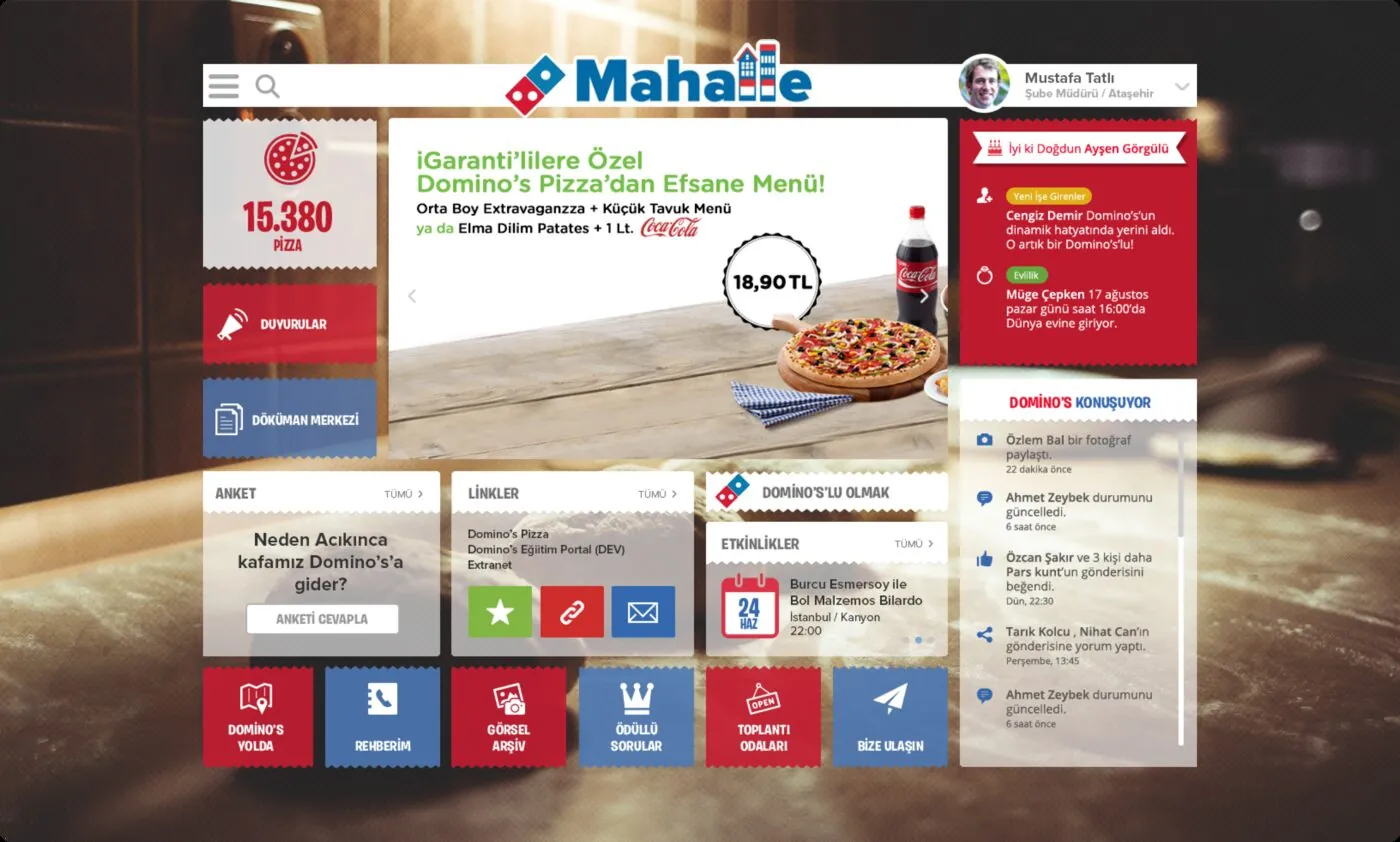
In focus: Mahalle Intranet.
Domino’s · Retail
- The situation
- Branch and head-office teams used different channels for announcements, training and requests. Reaching hundreds of branches at once was difficult.
- What we did
- We built an internal platform for branch, regional and head-office roles, with an announcement feed, training content, request management and branch-level permissions.
- The result
- A shared workspace for branch, regional and head-office teams
- One place for announcements, training and requests
- A content feed tailored to roles and permissions
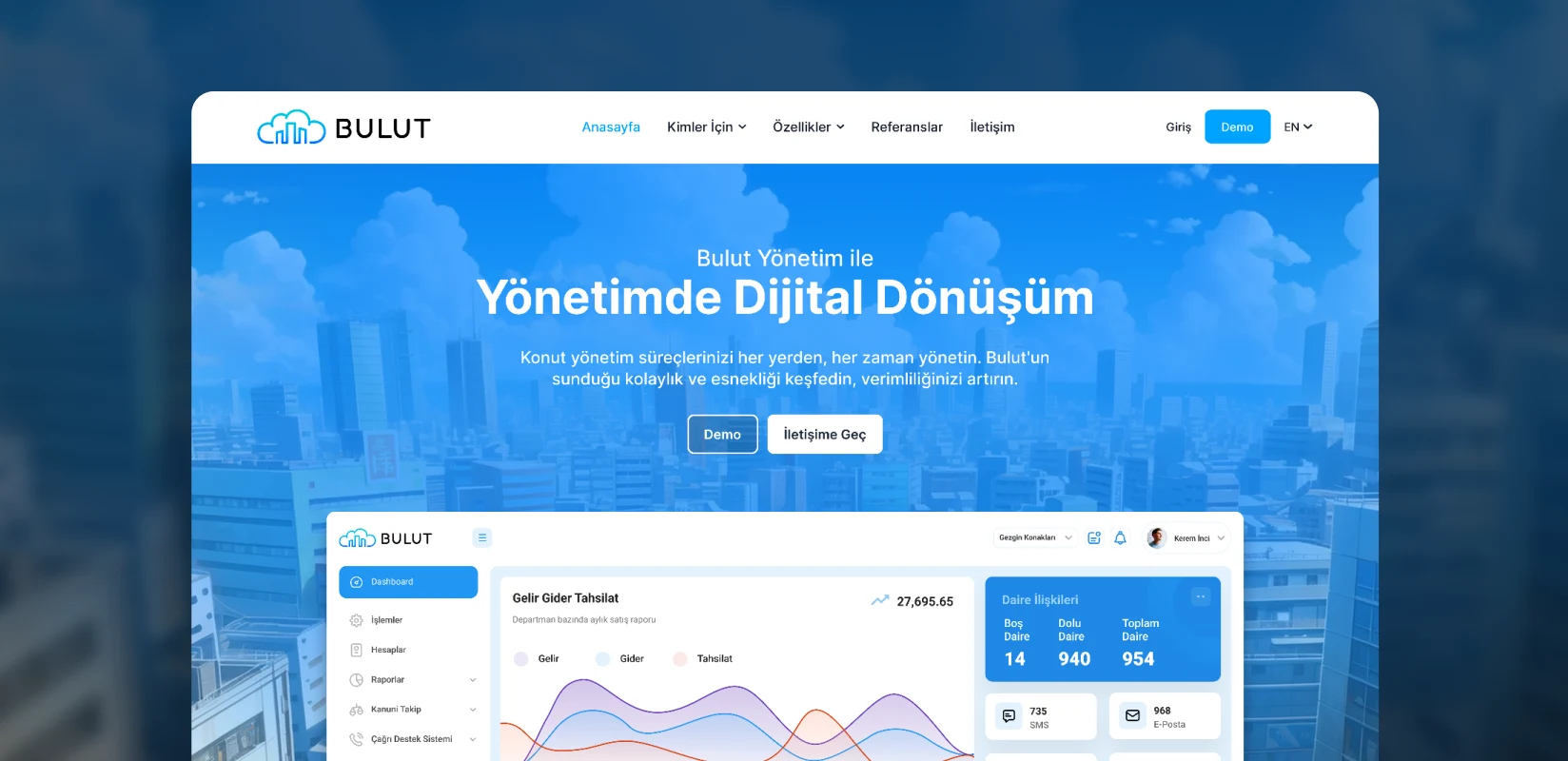
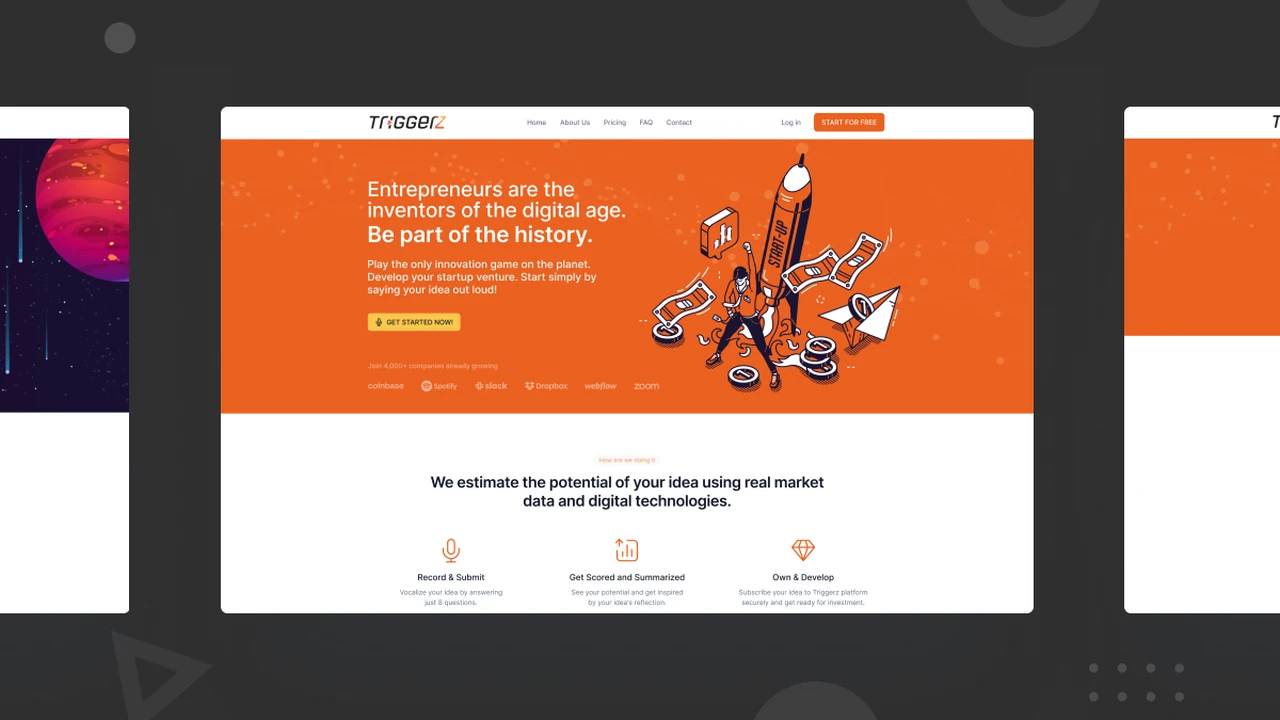
Selected SaaS projects
View all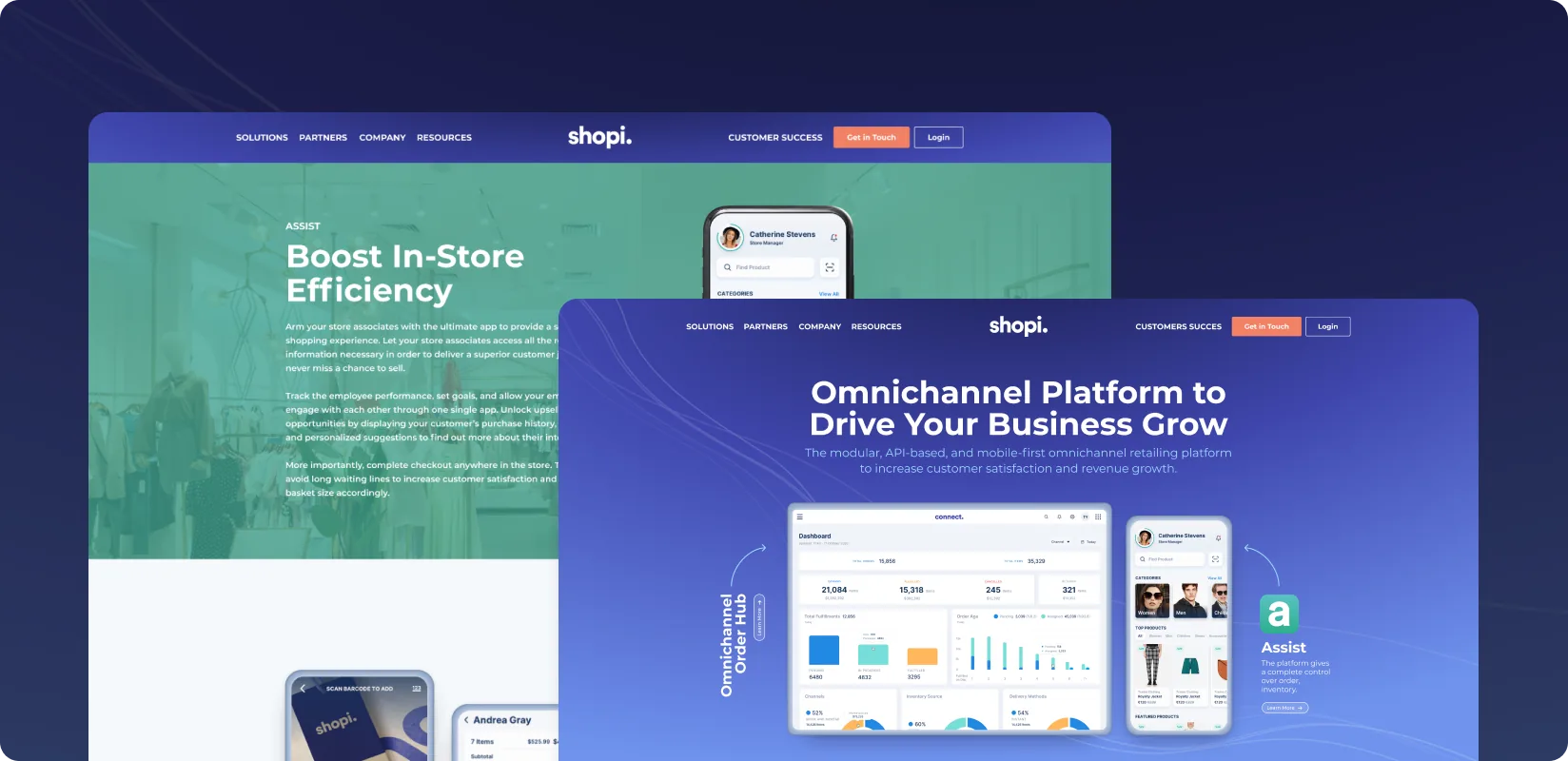
Related articles.
Frequently asked questions
Can you develop just an MVP?
Yes. We can start with an MVP focused on the essential user value and business assumption. Architecture and design decisions allow later releases to be added without unnecessary rebuilding.
Can you take over existing software?
Yes. We first review the code, infrastructure, design system and unresolved issues. If a handover is viable, we plan the transition. Critical risks and options are discussed before proceeding.
Are billing and membership systems included?
Membership, plans, payment and billing flows can be included. Providers, countries and regulatory requirements are clarified before technical design.
How does technical maintenance work?
Monitoring, bug fixes, security updates and planned releases have defined responsibilities. Service levels and response times are agreed around the project’s needs.
Can you take over and develop an existing product?
Yes. We review the code and data structure, then provide written recommendations on what to keep and what to rewrite.
How long does the first release take?
It depends on scope. An MVP narrowed through three questions can follow a shorter schedule with weekly deliverables. We document the plan together in the first week.
Can our own team take over later?
Yes. Code, documentation and infrastructure are set up in your accounts, with a separate training period planned for handover.
How do you price the work?
We clarify the scope in our first conversation and provide a fixed-price proposal. Ongoing work can also use a monthly team arrangement.
How do you approach security and Turkish data protection?
We separate tenant data at database level and establish role permissions and audit logs from the outset. For KVKK, Turkey’s data protection law, we define the data inventory and retention periods together.
Do you build payment and subscription infrastructure?
Yes. We set up plans, trials and billing flows with the payment provider.