
Mobile app
Design & development.
A store release is only part of the work. Onboarding, notifications, offline behaviour and updates matter just as much. One team handles design and code, then continues with measurement and release planning after launch.
The Figma files, source code and store accounts are yours.
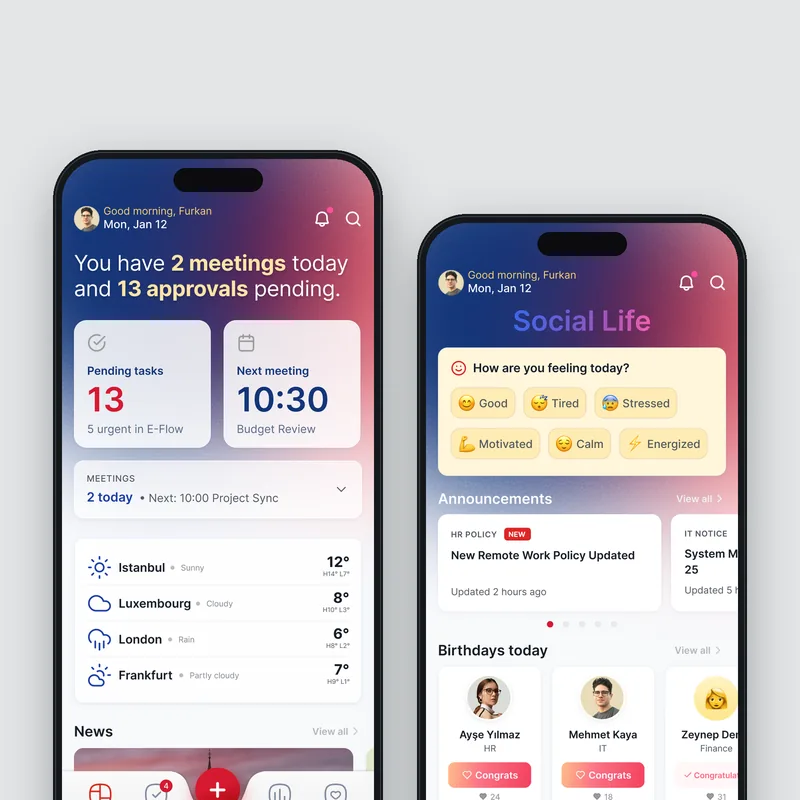
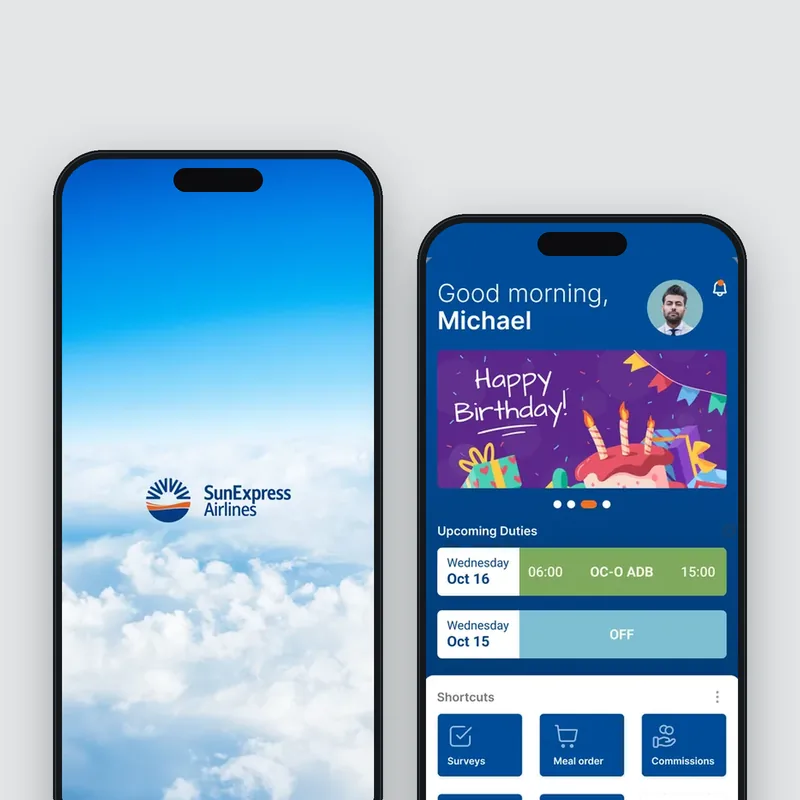
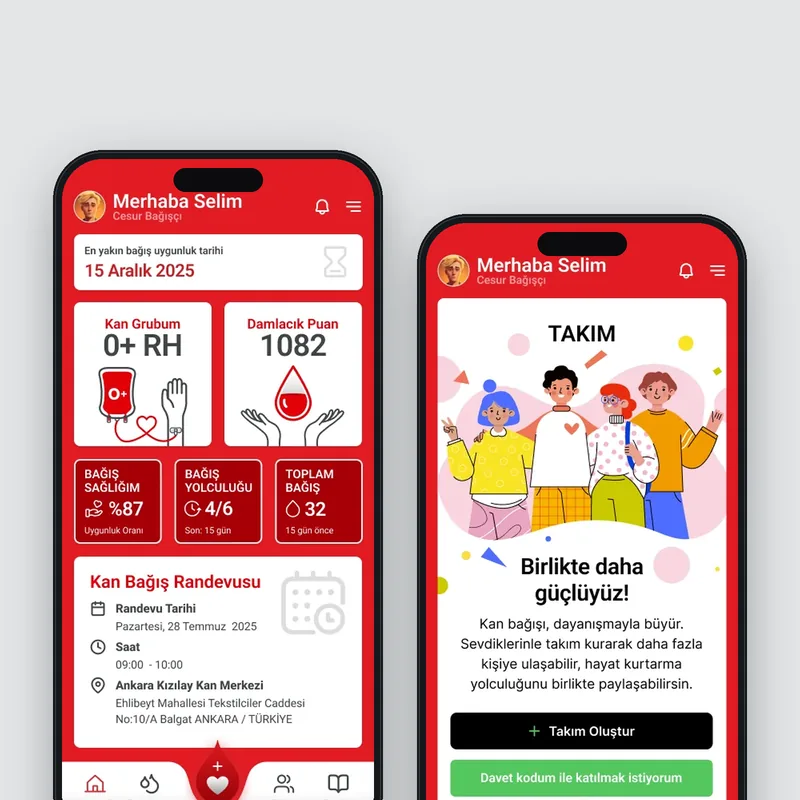
What this service addresses.
Mobile products need their own approach. First-time use, permissions, notifications, interrupted connections and app store requirements are all part of product design.
We develop the user journey, interface, code, backend and store release together, creating an app that can be measured and improved after launch. Where appropriate, we design AI search, personalisation, content and assistant features as part of the mobile experience.
Who it is for.
- Startups developing a new iOS and Android product
- Companies bringing an existing service to mobile
- Brands redesigning an outdated or underused app
- Teams planning the backend and mobile experience together
Scope.
The work below is scoped to your needs. Deliverables and responsibilities are agreed in the proposal.
- Product scope and platform choice
- Mobile UX & prototyping
- iOS and Android development
- Backend & API
- Notifications and analytics infrastructure
- Store release and version roadmap
Deliverables.
Source files, access, third-party licences and ongoing support responsibilities are handed over according to the agreed scope.
- DELIVERABLEDesign files
- DELIVERABLEkaynak kod
- DELIVERABLEStore submission packages
- DELIVERABLEAnalytics setup
- DELIVERABLERelease roadmap
What we do
iOS & Android apps
Apps with a native feel that meet store requirements, built for two platforms from one codebase.
Onboarding & notifications
Flows that help users get started, with notifications designed to be useful and considerate.
Backend & API
The services, authentication, data and integrations behind the app.
Offline use and performance
App behaviour designed for weak connections, quick loading and efficient battery use.
Store release
App Store and Google Play submissions, screenshots, metadata and management of rejection risks.
Releases and maintenance
Measurement, issue tracking and planned releases keep the app moving after launch.
Six steps from idea to launch.
Each step has a concrete deliverable, so you know what to expect and when.
Listen & research
We use data to understand the need and the user.
→ scope document, user flows
Structure
We define the structure, flow and scope together.
→ clickable flow, screen map
Prototype
We validate early with a testable prototype.
→ tested prototype
Build
We develop design and code as one product.
→ weekly working builds
Launch
We check thoroughly for a smooth launch.
→ store release, analytics setup
Growth
We measure, learn and continue improving.
→ release plan, monthly report
How we work.
Timing, team and deliverables: what to know before our first conversation.
- Timing
- First release in 10–16 weeks
- Working arrangement
- A fixed scope for the first release, followed by monthly development.
- Team
- Product designer, two mobile developers and a backend developer
- The first two weeks
- User interviews, an inventory of existing systems and a screen map.
- What you keep
- Figma files, source code, and App Store and Google Play accounts.
Tools we use
Development
- Expo
- React Native
- TypeScript
Services
- RevenueCat
- OneSignal
- EAS Update
Measurement
- PostHog
In focus: Esas App.
Esas Holding · iOS & Android
- The situation
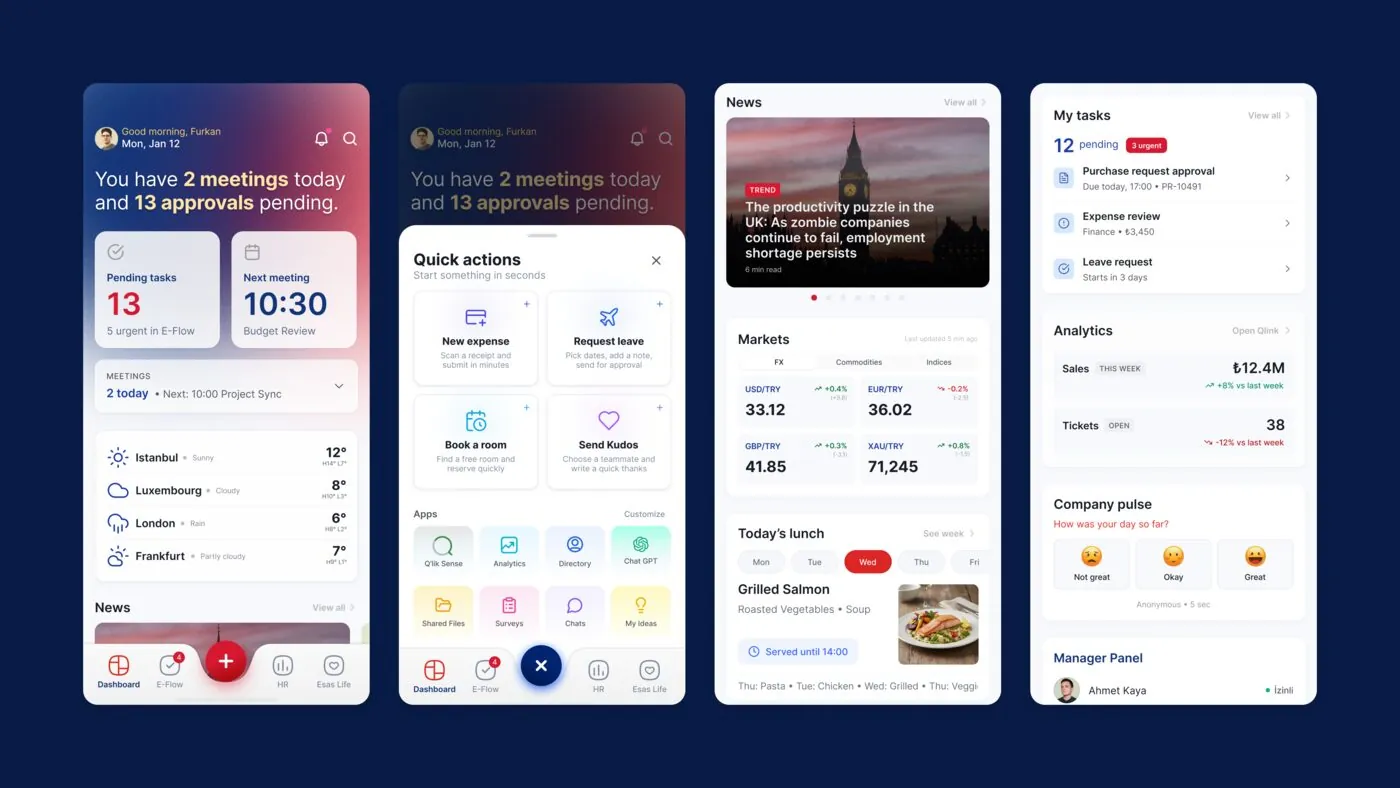
- Approvals lived in one system, leave requests in another form and announcements in email. Employees checked five different places during the day, none easy to use on a phone.
- What we did
- We brought E-Flow approvals, HR, Esas Life and the management dashboard into one navigation system. We built for iOS and Android from a single codebase and connected the app to internal systems.
- The result
- Expenses, leave and room bookings in two taps
- Internal tasks brought into one mobile experience
- Simpler manager and employee flows within one navigation system
Selected mobile projects
View all
Frequently asked questions
Do you use native development or React Native?
We choose native development or React Native based on performance, device features, team, budget and release needs. The product determines the technology.
Is the backend included?
It can be. We can use or extend an existing backend, or build a new one. APIs, data models, management tools and security scope are clarified during the initial review.
Do you manage app store submissions?
Yes. Packages, certificates, store images and submissions for the App Store and Google Play can be included. You retain account ownership, with access managed securely.
How are updates handled after launch?
Post-launch warranty, maintenance and development arrangements are defined in the proposal. New features and recurring content needs can be handled through ongoing product support or maintenance.
Can you take over our existing app?
Yes. We first review the code and design files, then document what to keep and what to rewrite. You decide how to proceed.
Native or a shared codebase?
A shared codebase is sufficient and efficient for most products. We add native components where camera access, sensors or demanding animations require them.
Do you retain ownership of the backend?
Source code and infrastructure accounts are set up in your name. We can continue maintenance, or your own team can take over.
Is the design delivered in Figma?
Yes. The component library and all screens are delivered in Figma, in your own account.
How many weeks does it take?
It depends on scope. A simple MVP can follow a shorter schedule with weekly deliverables; enterprise apps take longer. We agree the schedule in the first week.
What happens after launch?
We set up measurement and the release plan, with the same team continuing maintenance and development.