Çevre ve Şehircilik Bakanlığı Website.
Bringing layered public information into a clear digital service experience.
For Çevre ve Şehircilik Bakanlığı, we reorganised a broad range of institutional information, legislation, applications, news and public services. A complex organisation became clearer information architecture and a simple web interface for different audiences.
Ana sayfa
Need.
Making different institutional functions clear in one portal.
The ministry website served citizens, professionals, local authorities, the press and staff. Numerous departments, applications, documents, announcements and service links created a dense, fragmented experience that made information hard to find.
Users needed to find services without knowing the organisation, reach current announcements and discover the ministry’s applications through a shared system.
Information architecture.
A structure that starts with users’ needs.
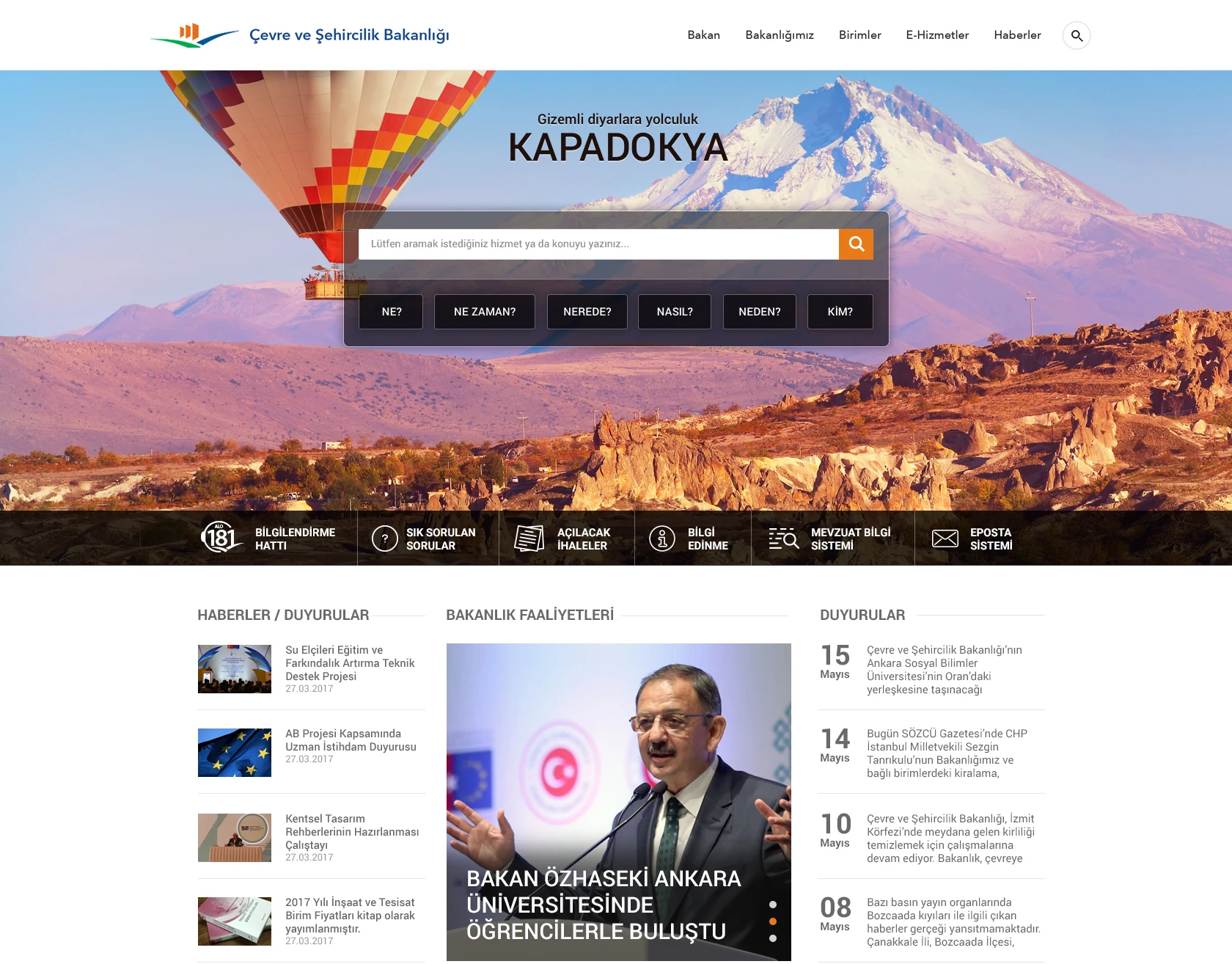
We grouped content around users’ main goals. Prominent home-page search gave a direct route to information, while icon-based quick links highlighted frequent services and applications.
News, announcements, figures, city content and FAQs were organised into distinct layers. The home page became a practical starting point guiding different visitors to relevant services and information.
Design approach.
A calm visual hierarchy for extensive content.
Large photographs of Turkey’s cities and natural heritage were balanced with white content blocks and colour-coded service cards. Consistent spacing, heading levels and cards distinguished news, applications and guidance.
A modular structure accommodated different content lengths and future services. Responsive design allowed desktop priorities to be reordered for smaller screens.
Multi-stakeholder process.
Aligning design decisions with institutional requirements.
The public-sector project involved many departments and staged approvals. We developed alternatives around clear use cases, incorporating feedback while preserving information architecture and visual consistency.
The solution also had to adapt to institutional priorities, technical limitations and different stakeholders’ content needs.
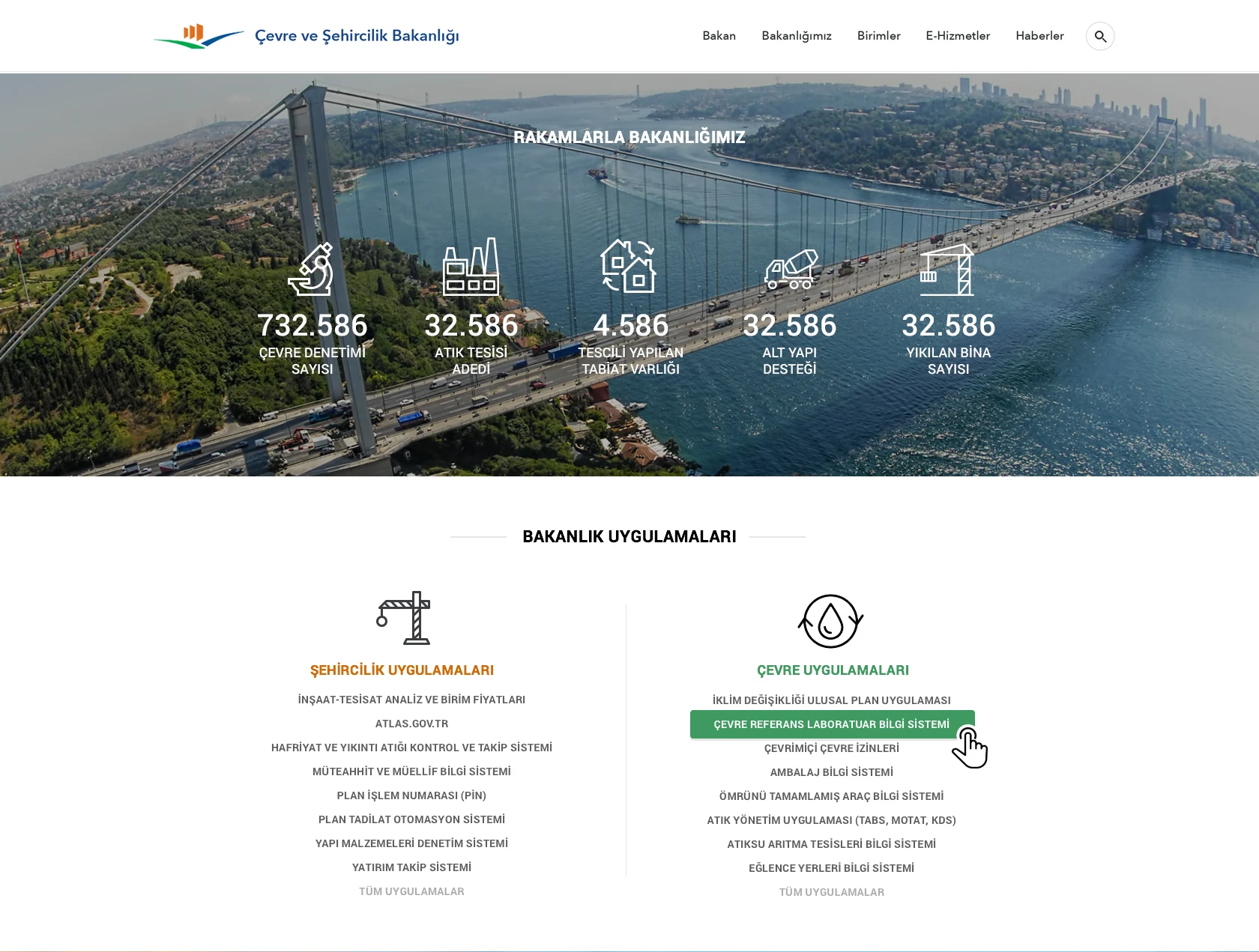
Key figures & applications
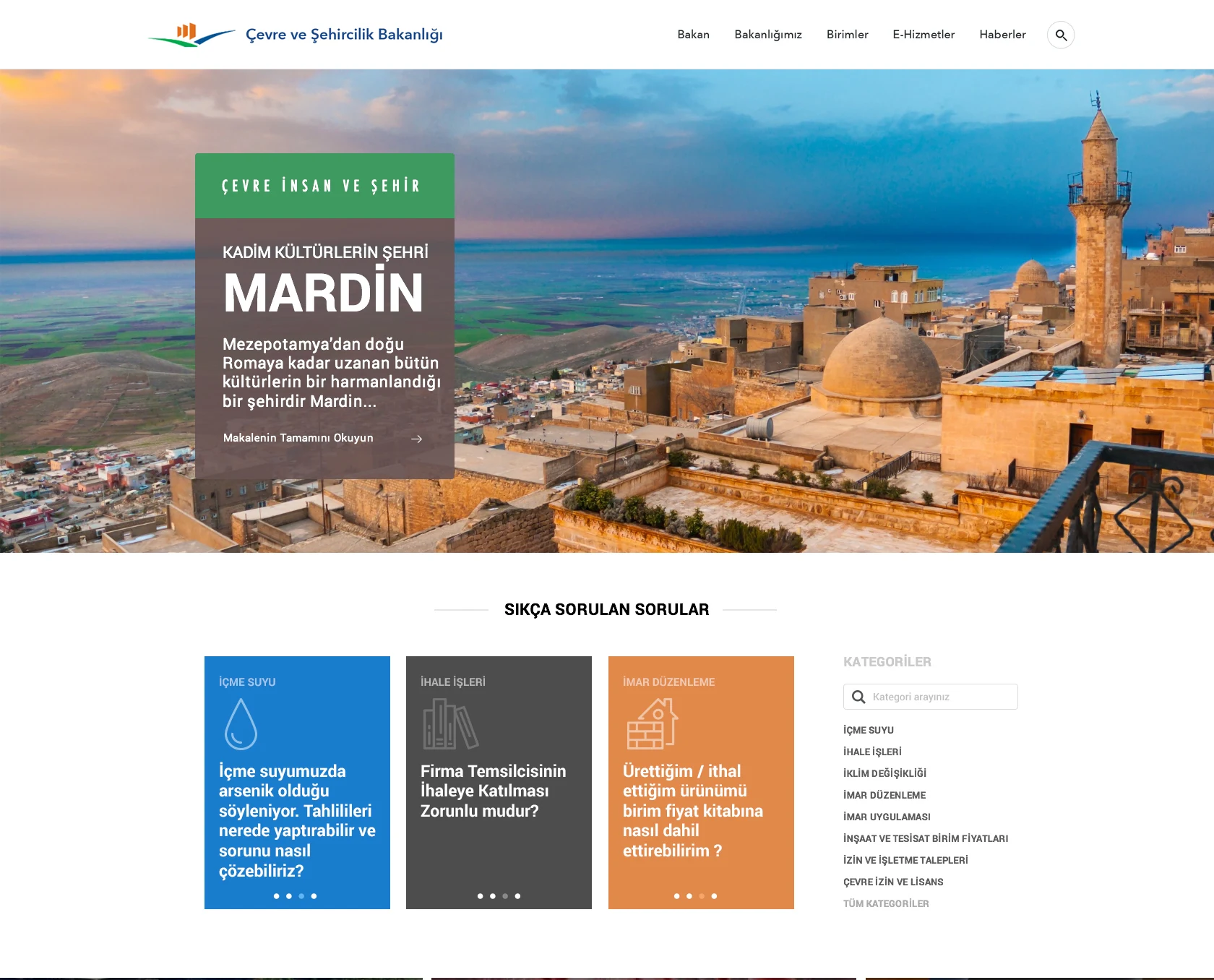
City introduction and frequently asked questions
Collaboration & scope.
We worked with a software company responsible for development. Our role covered content analysis, user journeys, information architecture and responsive UX/UI. Software, frontend and CMS development were outside Pars Design’s scope.
Outcome.
The portal design gave a large public organisation’s services, applications and current content a shared digital language. Search and quick access clarified extensive information, while the modular system supported future services and announcements.